
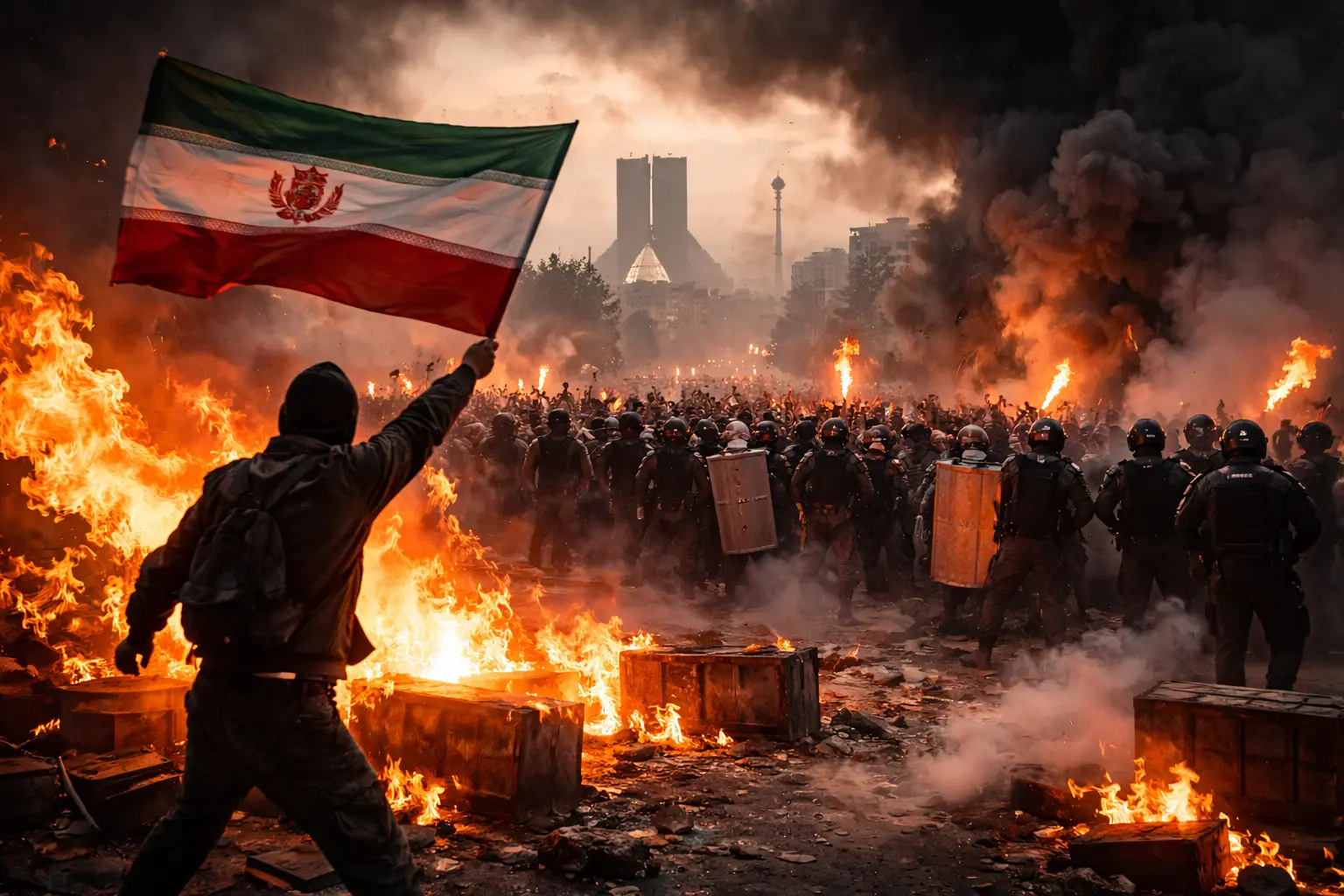
Iran is witnessing one of the deadliest waves of unrest in recent history as nationwide protests have turned into a violent confrontation between citizens and state forces. According to multiple activist estimates at least five hundred people have lost their lives during a sweeping crackdown aimed at suppressing dissent. What began as protests over economic hardship has rapidly transformed into a broader uprising against governance repression and lack of political freedom.
As violence escalates inside the country the situation has also taken on a dangerous international dimension. Tehran has issued strong warnings to the United States and Israel accusing them of fueling unrest and threatening consequences if foreign intervention occurs. This combination of internal turmoil and external threats has placed Iran at the center of global attention with fears growing over regional instability.
Key Highlights of the Iran Protest Crisis
Aspect Details
Death Toll At least five hundred reported killed
Nature of Protests Nationwide anti government demonstrations
Government Response Heavy security crackdown and arrests
Communication Status Internet restrictions and blackouts
International Warning Tehran warns US and Israel
Regional Risk Rising Middle East geopolitical tension
These developments highlight both the scale of the humanitarian crisis and the geopolitical risks involved.
How the Protests Started and Spread
The protests initially erupted in response to severe economic pressure faced by ordinary Iranians. Rising inflation unemployment currency depreciation and shortages of basic goods triggered anger across multiple cities. Demonstrations that began peacefully soon grew in size and intensity as broader demands for political reform accountability and freedom of expression emerged.
As crowds expanded the government responded with force deploying security units across urban centers. Reports from inside the country suggest the use of live ammunition mass detentions and aggressive crowd control measures. The unrest spread rapidly from city to city indicating deep rooted dissatisfaction rather than isolated incidents.
Scale of the Crackdown and Human Cost
The crackdown has resulted in a staggering loss of life with activists claiming that at least five hundred people have been killed. Thousands more are believed to have been injured or detained. Families of victims face fear and uncertainty as authorities restrict information flow and limit public gatherings.
Internet shutdowns and communication restrictions have made independent verification difficult. However the persistence of protests despite the crackdown suggests the depth of public anger and frustration. Human rights concerns are mounting as reports of harsh treatment and collective punishment surface.
Tehran Warning to US and Israel
As pressure mounts Tehran has shifted its rhetoric outward accusing foreign powers of exploiting unrest. Senior Iranian officials have warned the United States and Israel against any form of intervention stating that such actions would lead to serious consequences. The warnings emphasize sovereignty and portray the protests as externally influenced rather than domestically driven.
This sharp language has raised alarm internationally. Any escalation involving major global or regional powers could destabilize an already volatile Middle East. Military and diplomatic observers are closely watching for signs of miscalculation or retaliation.
Impact on Regional and Global Stability
The crisis in Iran has implications far beyond its borders. The country plays a critical role in regional politics energy markets and security dynamics. Prolonged instability could affect neighboring countries fuel migration flows and disrupt economic activity across the region.
Global markets and diplomatic circles are also monitoring developments closely. Increased tension involving Iran the United States and Israel has historically led to rapid escalation making restraint and dialogue crucial to avoid broader conflict.
What Happens Next
The situation remains fluid with no clear sign of de escalation. Protests continue in several areas despite security measures. The government appears determined to maintain control while demonstrators show resilience in the face of repression.
International response will play a key role in shaping the next phase. Whether diplomatic pressure intensifies or the crisis remains largely internal will determine how events unfold in the coming days.
Conclusion
The Iran protest crackdown represents a critical moment for the country and the wider region. With at least five hundred dead and thousands affected the humanitarian cost is severe. Tehran warnings to the United States and Israel add a dangerous external layer to an already volatile situation.
As Iran stands at a crossroads the balance between repression reform and international engagement will shape its future. The world continues to watch closely as events evolve with potential consequences far beyond Iran borders.
Frequently Asked Questions
What triggered the current protests in Iran
Economic hardship and long standing political dissatisfaction triggered nationwide demonstrations
How many people have reportedly died
Activist estimates suggest at least five hundred deaths
Why is Iran warning the United States and Israel
Tehran accuses foreign powers of interference and warns against intervention
Is the internet restricted in Iran
Yes communication shutdowns and restrictions have been reported
Could this crisis affect the Middle East
Yes prolonged unrest and international tension could destabilize the region